How can exercise physiology help you?
17 November 2026
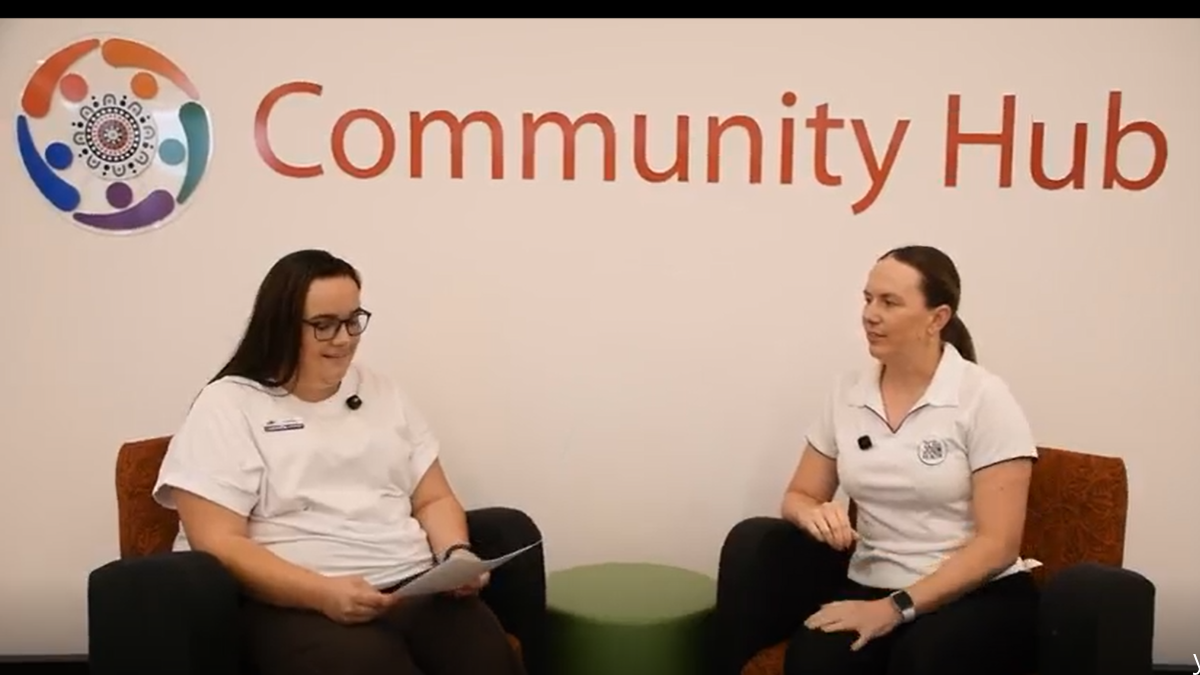
1. Can you tell us a little bit about your work and the services you offer locally?
360 Health Clinic is primarily an exercise physiology-based clinic.
We've been offering one-on-one and small group services here in the Liverpool Plains since late 2020.
2. Exercise physiology covers a really broad range of areas. Can you explain what an exercise physiologist does and how they can help?
It's pretty broad! Exercise physiologists are university-trained allied health professionals. We understand how the body responds to exercise, both immediately and over time.
If you have a chronic health condition like arthritis, diabetes or osteoporosis, we can help you manage it through exercise.
We can also help if you're recovering from an injury, living with disability or experiencing women's health concerns.
And we work with people of all ages, right through to helping older people stay active and prevent falls.
What's important is that we know what type of exercise is right for you, and how much you should be doing, based on your health and medical history.
3. At what point should you consider seeing an exercise physiologist?
We can work with you at any stage of life, whatever your age or health needs.
But more specifically, if you've recently been diagnosed with a chronic health condition, something like osteoarthritis, osteoporosis, diabetes or a cardiovascular condition, we can provide exercise interventions to help you manage it.
And if you've been injured at work or playing sport, we can help you rebuild your strength and movement and work towards getting you back to where you want to be.
4. If you're experiencing pain or have an injury, you might automatically think of going to your GP first. When might seeing an exercise physiologist be a good place to start instead?
So many people experience pain a lot of the time.
Sometimes it might be from a recent injury, something that's happened yesterday or over the weekend.
In those instances, I would actually encourage you to see a physiotherapist first. They're the right professionals to diagnose injuries and provide that initial care.
But an exercise physiologist is super valuable when it comes to persistent or long-term pain. Maybe you're experiencing lower back pain, hip pain, knee pain or joint pain.
That's because sometimes the pain is linked to a chronic health condition, and exercise physiologists specialise in helping you stay active and keep moving while managing these conditions.
5. What can you expect when you come to see an exercise physiologist for the first time?
An initial consultation with an exercise physiologist is about 45 to 50 minutes.
It's thorough, but mostly a conversational session.
What we want is to get a clear understanding of your medical history and health history, because that's really important for prescribing exercise.
From there, we'll do some basic assessments. That might include checking your strength, balance, flexibility and how well you can move.
We'll also send you away with two to three exercises, movements or stretches to start putting into place before we see you again.
6. Do you need a referral from your GP to see an exercise physiologist or can you just contact the clinic directly?
No, referrals aren't required to see us, so you can just book in privately and get going.
But there are many referral streams that we do work with, like workers compensation, the NDIS and the Department of Veterans' Affairs.
If you have a chronic health condition, you might also be eligible for a GP Chronic Condition Management Plan, which can help cover some of the cost of appointments.
So short answer, you don't need a referral.
Long answer, there are a number of referral options you can explore.
7. How do you work with GPs and other health professionals if someone needs further treatment or support?
If we find that something is outside of our scope of practice or we feel you need further treatment or support, we'll organise a referral to another health professional.
We'll keep these referrals local where we can, but sometimes we might need to refer you to a specialist a little further away.
8. If someone thinks they might benefit from your services, what's the best way to get in touch or find out more?
Give us a call on 6762 3639 using extension 3 or visit our website at www.360healthclinic.com.au.
Chelsea, the local Care Navigator, is also a great person to speak to if you're not sure where to start!