
Community Consultation - Health Services Survey
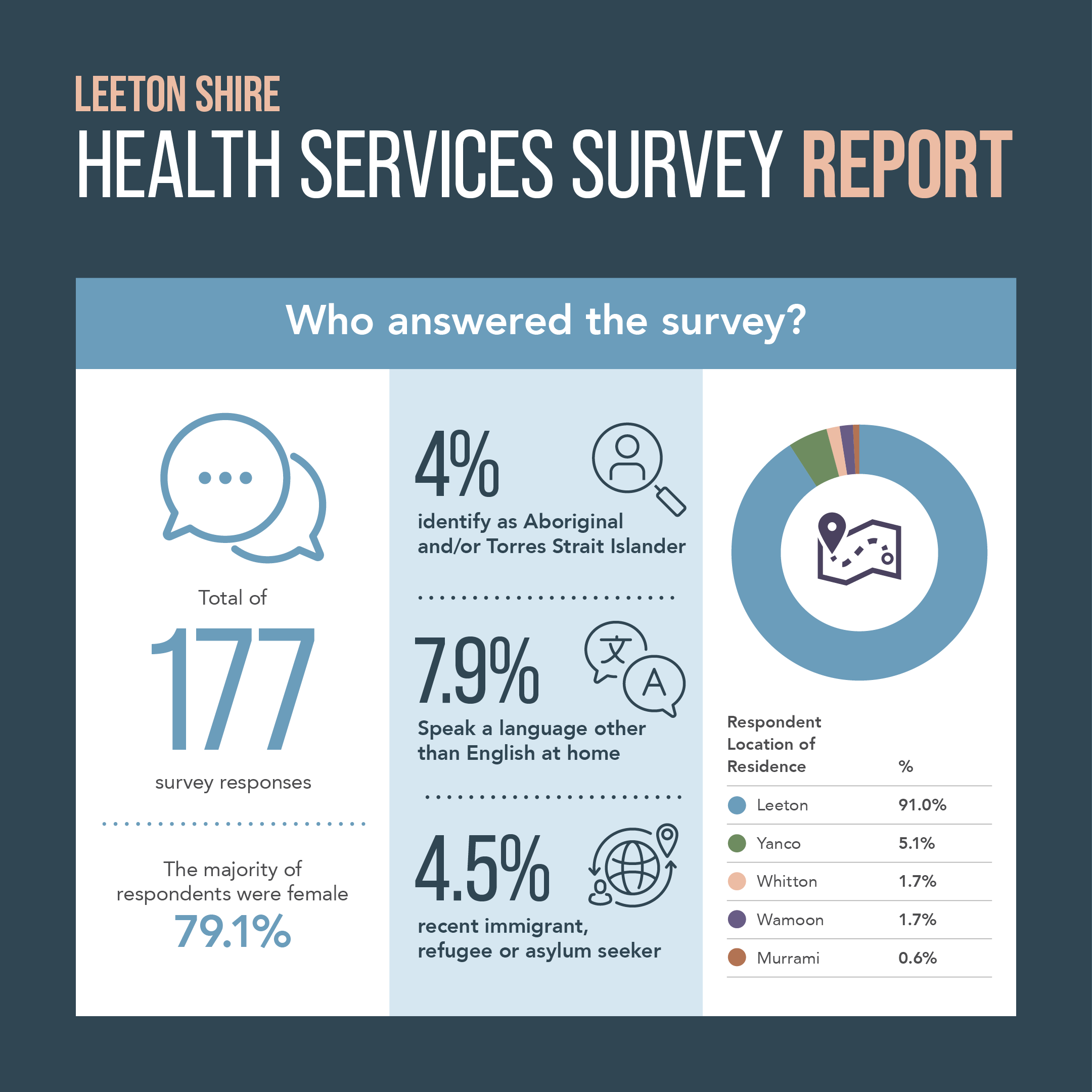
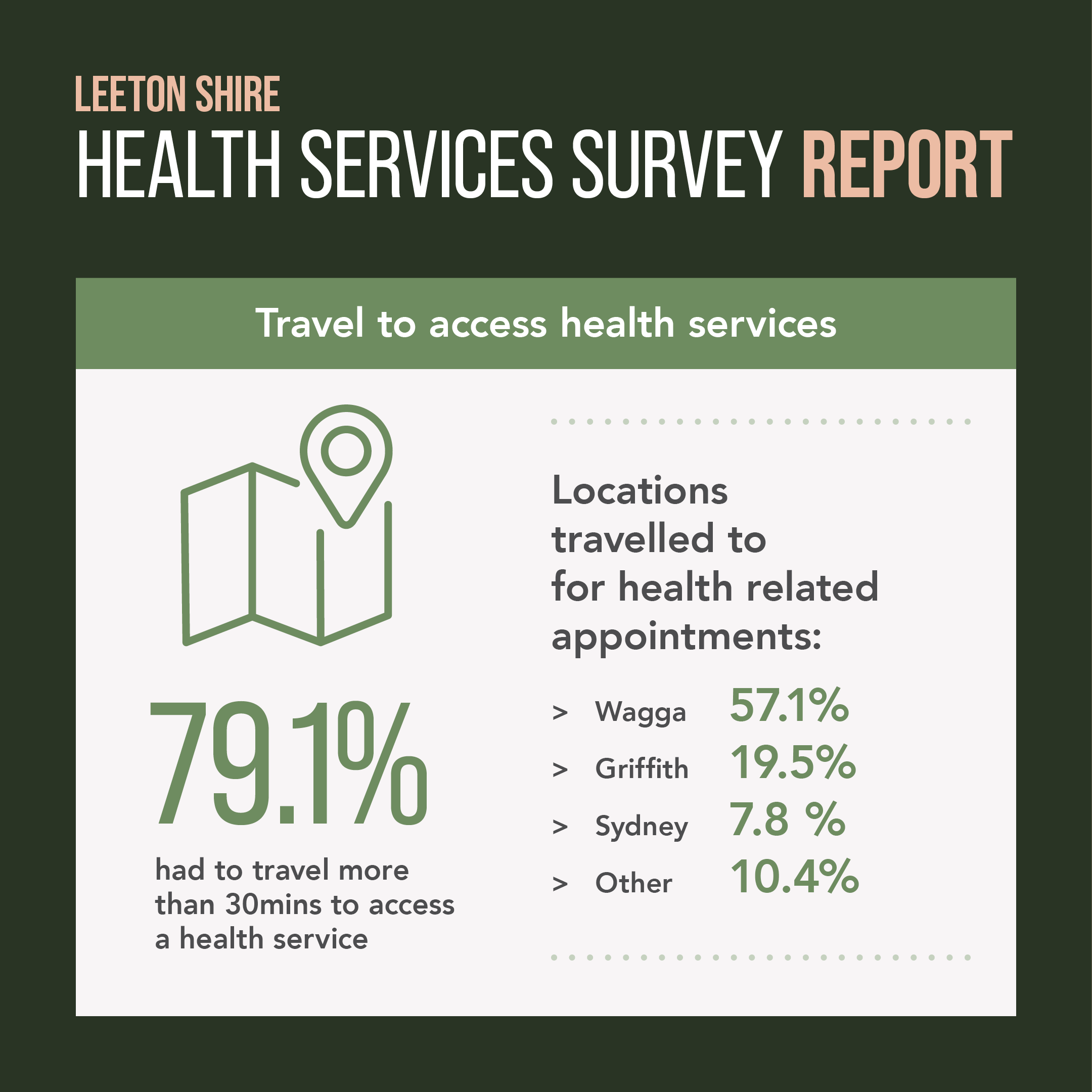
In April 2025, residents of Leeton Shire were encouraged to share their experiences of access to local health services through a health services survey.
The Leeton Shire Health Services survey helped identify local priorities and any barriers to accessing health services in Leeton Shire. This includes general practices, public health services, allied health, mental health, and Aboriginal health services.
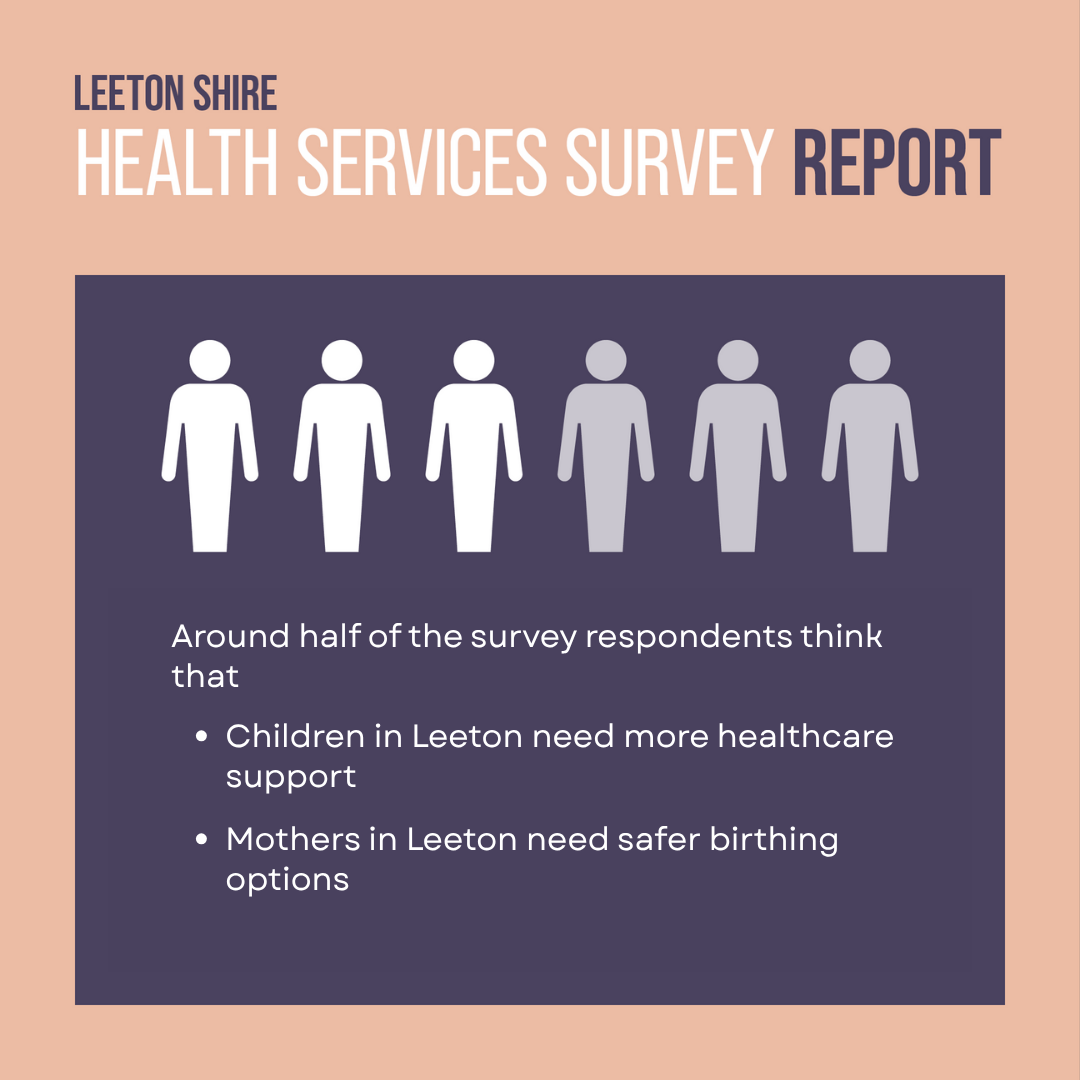
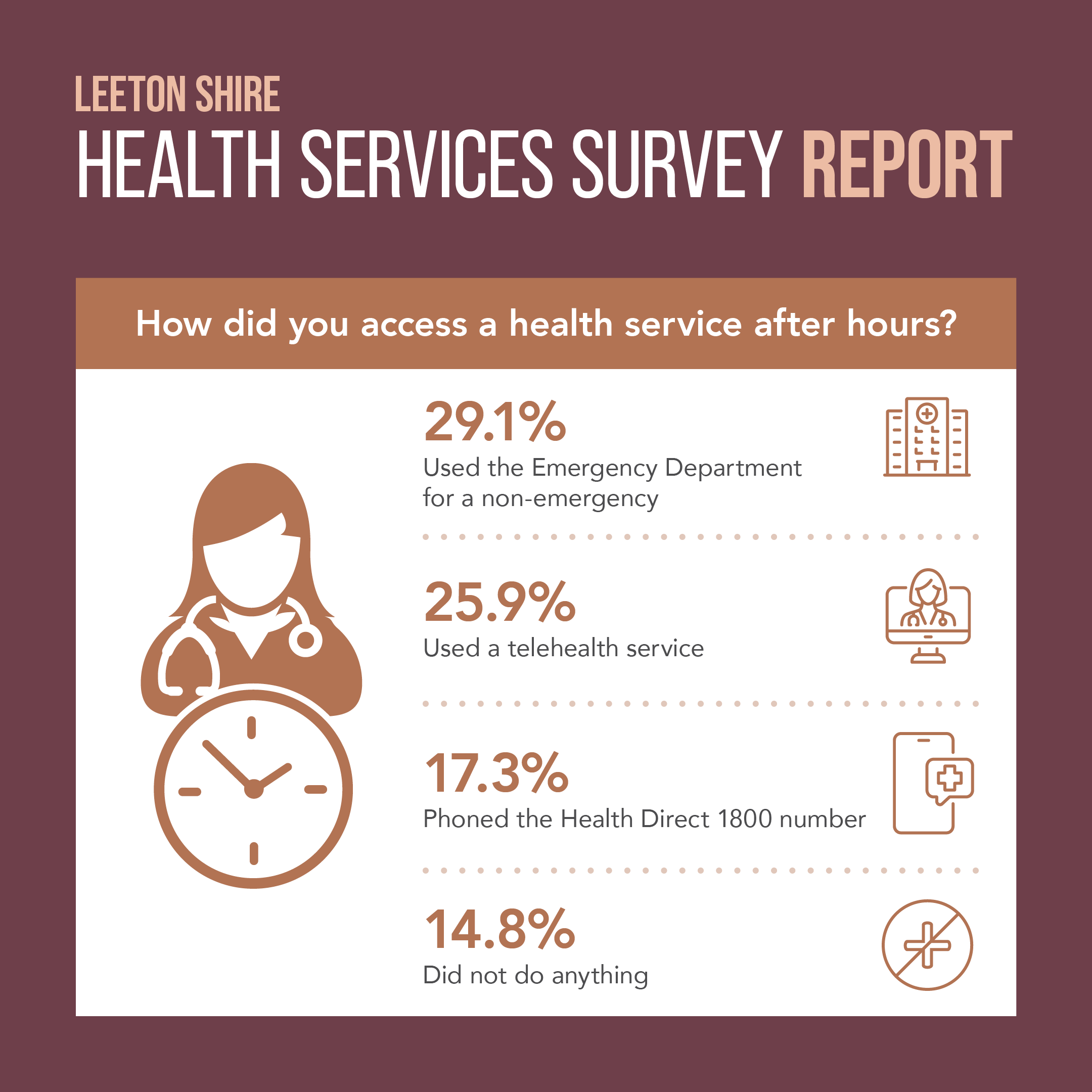
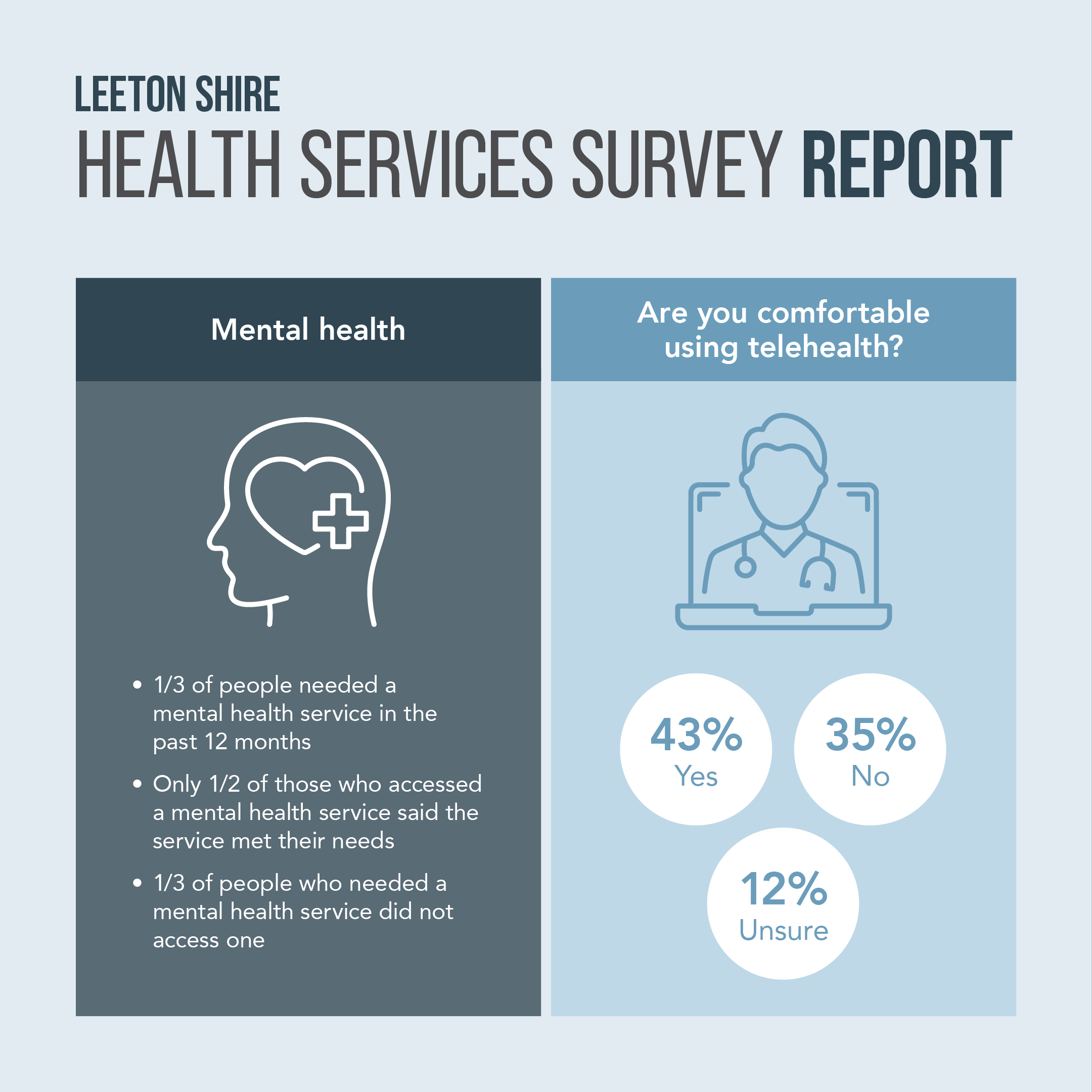
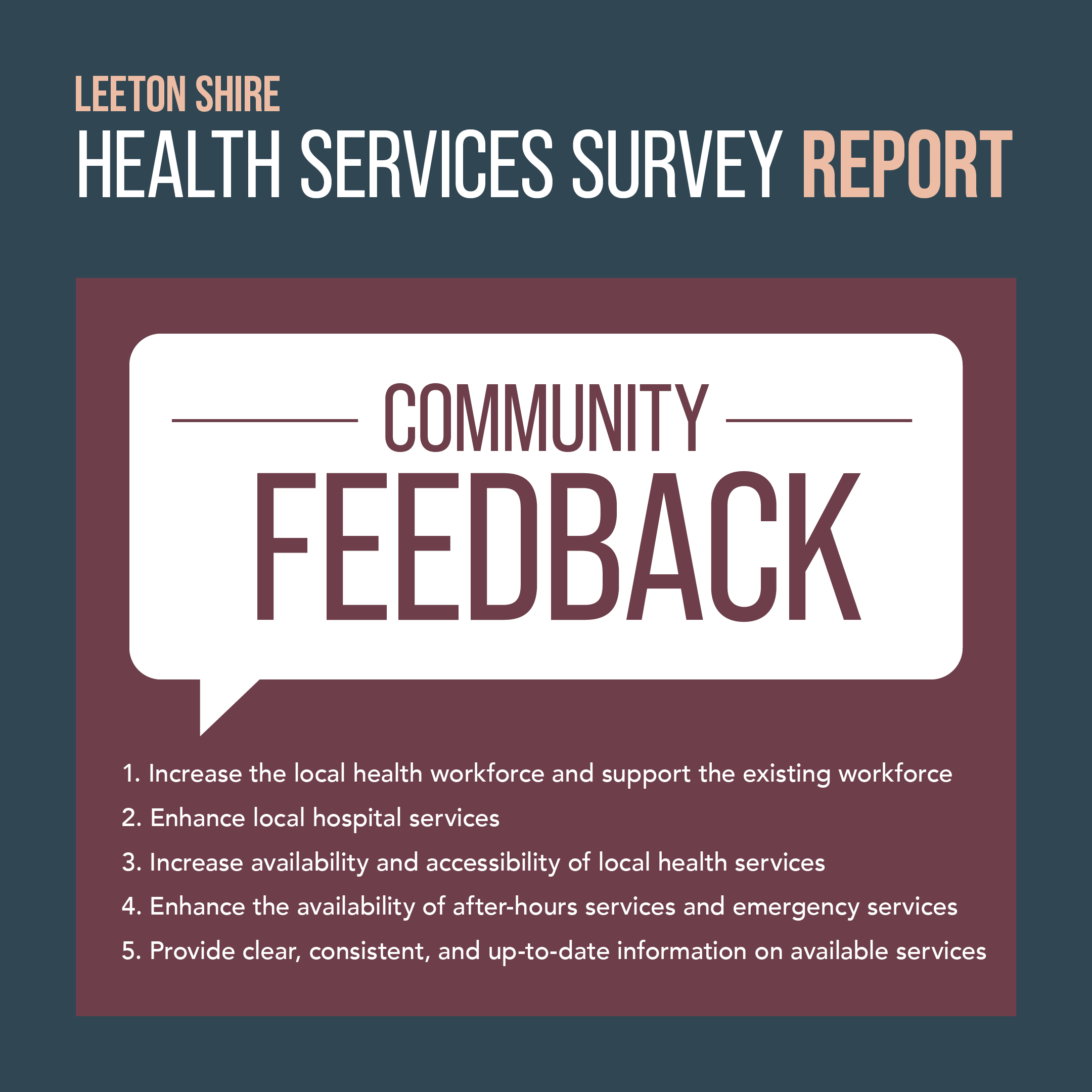
Here is a summary of the survey results.
Health Providers Consultation - Health Services Planning Workshop
The Collaborative Care Project in Leeton hosted a Health Services Planning Workshop, bringing together over 20 local health professionals from a range of disciplines. Held on Tuesday, 3rd June at the Hydro Hotel, the workshop marked a significant step in identifying local healthcare priorities across the Leeton Shire.
This session formed part of a broader effort to improve health outcomes in the region by engaging with healthcare professionals within the Leeton community who are working on the frontline of care. Their lived experience in supporting patients every day provides critical insights into the challenges and opportunities within the local health system.
Participants collaborated in small groups to explore four key discussion areas aimed at uncovering current service gaps, barriers to access, and potential innovations to strengthen local healthcare. The facilitated discussions encouraged the sharing of local knowledge, identifying both existing issues and innovative solutions tailored to the needs of the Leeton community.
Here is an overview of common themes identified:
Barriers such as closed GP books, specialist shortages, transport issues, cost of care, and long wait times severely restrict community access to essential services.
Themes included: GP access / closed books / lack of bulk-billing options / financial barriers to care / MBS items not keeping up with practice costs / long wait times to see specialists / travel and transport barriers / isolation of older people / specialist costs and accessibility / availability of allied health / waitlists.
Specific groups have unique challenges when accessing care and support, including the elderly, people with disabilities, non-English speakers, Aboriginal and Torres Strait Islander people, and low-income earners.
Themes included: people with a disability / the elderly / low income earners / new residents / refugees / non-English speakers / Aboriginal & Torres Strait Islander people / families with young children / single parents / people with low health literacy / people needing mental health support / youth / men / farmers.
Mental health services need resourcing, with more detox facilities, more mental health training, and greater support from the wider community.
Themes included: mental health & drug and alcohol services / local detox centre for rehab / mental health workforce / counsellor available for MH clients / online program with Murrumbidgee pathways / mental health nurse practitioner to help with workload / community care intake service / virtual mental health options.
Healthcare providers experience recruitment and retention difficulties, heavy workloads, emotional exhaustion, remuneration challenges, and a lack of childcare options, which affect service continuity.
Themes included: Recruitment & retention / support services for health workers: counselling, incentives, locum services / non-competitive remuneration / emotionally draining work / long hours / time constraints / workload / work-life balance / high turnover of staff / clinician burnout / filling in gaps / succession planning / business support for allied health & other private clinicians.
Fragmented teams, insufficient discharge planning, poor communication between providers, and limited community health literacy all reduce care effectiveness and increase hospital burden.
Themes included: health literacy and education / allocate local liaison officer to discharge planning & follow up / provider communication / social workers at hospital / allied health networking / care navigation roles within general practice / fragmented teams / lack of support mechanisms / shared GP & allied health learning and networking spaces to promote communication.
Chronic diseases like diabetes, COPD, cancer, and dementia require more attention and integrated care management, but face service gaps, including allied health shortages and health education needs.
Themes included: more complex needs in community / flows to ED & hospital / chronic diseases: CCF, COPD, DM, diabetes, cancer / pain management / wound care / dialysis / respiratory function / neurological disease / palliative home care support / dementia care.
General Practitioners Consultation - Interviews
To ensure the Collaborative Care Project reflects the realities of healthcare delivery in Leeton, targeted consultations were undertaken with local General Practitioners and Practice Managers. These interviews provided valuable insights into the challenges and opportunities experienced by primary care providers, helping to identify service gaps, workforce pressures, barriers to patient access, and areas where greater collaboration could improve health outcomes.
By capturing the perspectives of those working at the frontline of healthcare, the project has been able to better understand the local health landscape and identify practical opportunities to strengthen services and support the community's current and future healthcare needs.